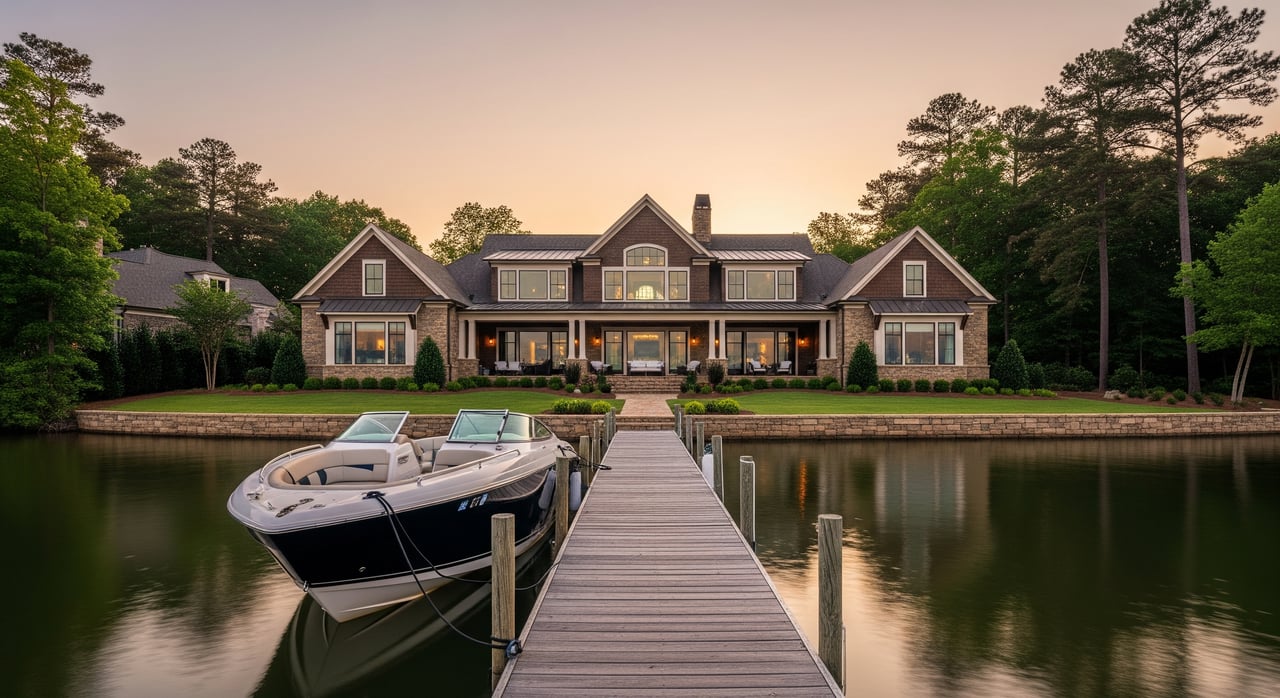
If you are thinking about a move on Lake Norman, timing matters. Waterfront demand rises and falls with the seasons, and the lake lifestyle creates its own rhythm. You want to sell fast, or buy before peak boating months. This guide shows you when activity spikes, why boat season changes the pace, and how to plan your strategy so you close with confidence. Let’s dive in.
The short answer: late winter through spring
Most years, Lake Norman waterfront homes sell fastest from late winter into spring. Buyers want to be on the water by late spring and early summer, so showings and offers often accelerate from February through June. Inventory also grows during this period, which helps serious buyers find the right fit while competition pushes well-prepared listings to move quickly.
This pattern shifts with mortgage rates, available inventory, and local conditions. When rates rise or supply is thin, the seasonal boost can moderate. Your best plan is to pair the general cycle with current local data before choosing your go-to-market date or your offer timing.
Why boat season shifts demand
On Lake Norman, boating and outdoor living drive decisions. The practical season runs from spring into early fall, with peak use in late spring and summer. That creates urgency for buyers who want to close by Memorial Day or June. In these months, many buyers compress their decision timelines and prioritize move-in-ready homes with immediate dock access.
Good weather also changes how buyers tour. Weekend and late-afternoon showings increase as people want to feel the shoreline, views, and dock setup in person. Properties with established, permitted docks or transferable permits tend to command faster offers, because adding or modifying dock structures takes time and coordination.
Month-by-month timing guide
February–March: Early mover advantage
Inventory begins to build and serious buyers start their search. Many aim to close before summer, so well-staged, properly priced waterfront listings can attract quick offers. Sellers who highlight outdoor spaces, lake usability, and dock details often stand out. Buyers who are pre-approved and decisive can secure prime properties before peak competition.
April–June: Peak speed and competition
This is typically the most active period. Days on market often shorten in many housing markets during spring, and the lake lifestyle amplifies that effect. Turnkey waterfront homes with usable docks, good shoreline, and strong presentation can move fast. If you are a buyer, expect more competition and be ready to act quickly when the right home appears.
July: Still strong near the water
Demand can remain solid into early summer. Some buyers want to get on the lake immediately and will prioritize homes that are ready for use. Inventory may be a bit higher than spring, so the best-positioned properties still sell quickly. Smart showing schedules that capture weekend and evening traffic can help you maintain momentum.
August–October: Softer pace, selective deals
Momentum often tapers as families shift focus to fall routines. Motivated buyers still shop, and sellers who price correctly can achieve quick sales. If you are buying, this can be a window for more negotiation room. If you are selling, emphasize long-season amenities like sunset decks, fire pits, and pleasant fall boating conditions.
November–January: Slowest window
Late fall into winter usually brings longer days on market and fewer waterfront transactions. You can still succeed in this period, but pricing must be realistic and marketing should target relocation and second-home buyers. Off-season buyers may gain leverage, but should budget extra time for inspections, dock work, and any shoreline improvements.
Seller strategies to sell faster
- Verify dock status early. Confirm permits, transferability, and any maintenance needs. Include clear details in your listing so buyers feel confident about immediate lake access.
- Showcase outdoor living. Stage decks, docks, and sitting areas. Schedule photos on clear days and, when possible, include on-water images that show how the property lives.
- Front-load your timing. Listing in February through May typically captures the largest pool of buyers who want summer use.
- Price to the market. Use current waterfront comps and account for seasonal demand. Competitive pricing can trigger multiple strong showings in the first week.
- Optimize showing windows. Offer weekend and late-afternoon slots during peak boating months to meet buyers when they are on or near the lake.
- Prepare inspection items. Address obvious shoreline, dock, or exterior maintenance before listing. Clean inspections can keep your timeline tight.
Buyer strategies when speed matters
- Get fully pre-approved. Have your financing ready so you can submit a strong, clean offer fast during spring and early summer.
- Aim for a pre-summer close. If you want lake time this season, plan to have a contract and closing done before Memorial Day or early June. Build in time for inspections and any permit transfers.
- Walk the shoreline. Evaluate views, water depth, dock placement, and neighboring structures in person. Photos rarely capture all the waterfront nuances.
- Inspect what is expensive to fix. Prioritize shoreline erosion control, bulkhead condition, dock structure, septic, and well components. These can affect safety, usability, and long-term value.
- Work with a lender who knows waterfront. Appraisal, insurance, and property features can differ from standard homes. The right financing partner reduces delays.
What can change the timeline
- Mortgage rates. Higher rates can thin the buyer pool, even in peak months, while lower rates can intensify competition.
- Inventory levels. A tight supply of move-in-ready waterfront homes can keep days on market short, but if new listings surge, buyers may have more time.
- Weather and lake conditions. Severe weather concerns and lake level changes can shift showing patterns and inspection priorities.
- Local events and school schedules. Weekends with lake events can lift open-house traffic. Many families target summer closings, which concentrates activity in spring.
Waterfront details that affect closings
- Docks and permits. Confirm whether the property has a permitted dock and if permits transfer. If you need new or modified structures, plan for lead times and approvals.
- Shoreline structures. Bulkheads, seawalls, and erosion control systems should be evaluated for condition and compliance.
- Utilities and septic. Many waterfront homes rely on septic systems or wells. Schedule thorough inspections and understand any maintenance history.
- Insurance. Flood, wind, and specialty coverage can affect costs and closing timing. Gather quotes early so you stay on schedule.
The bottom line for Lake Norman
If you want the fastest sale or the best chance to enjoy the lake this season, focus on the late winter through spring window. Align your strategy with boat season, prepare thoroughly, and watch current local data on inventory and days on market. Whether you are listing or buying, the strongest results come from planning your timeline and removing surprises before they slow you down.
If you are ready to map out the right plan for your timeline, reach out to Luz Ramirez Barraza for personalized, bilingual guidance and a data-driven approach.
FAQs
When do Lake Norman waterfront homes sell fastest?
- Typically from February through June, when buyers aim to close before peak boating months.
Is spring always the best time to list on Lake Norman?
- Most years, yes, but overall speed depends on mortgage rates, inventory, and how well your home is priced and presented.
How much does a permitted dock impact time to sell?
- A lot. Homes with usable, permitted docks usually attract faster interest because new docks take time to approve and build.
Can I still sell quickly in late summer or fall?
- Yes, if you price correctly and market the lifestyle. Activity softens, but well-positioned listings can still move.
What should buyers verify first for a waterfront purchase?
- Confirm dock permit status and transferability, inspect shoreline and dock condition, and make sure your lender and insurance fit the property’s specifics.
