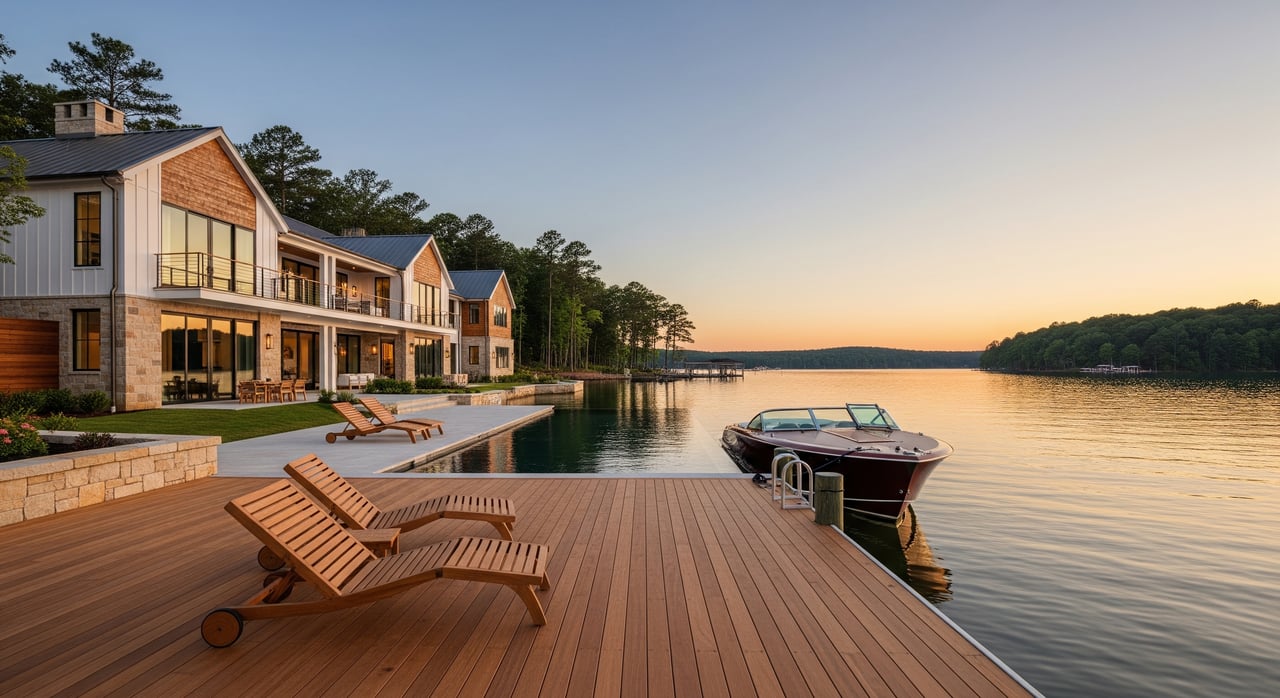
Imagine starting your morning with glassy water outside your window and ending your day with a sunset cruise. If you are considering Lake Norman, you are likely picturing that blend of calm and convenience. You want the lake lifestyle without surprises. In this guide, you will learn what daily life really looks like around Lake Norman, from commute realities and neighborhood types to boating culture, rules, and hidden costs. Let’s dive in.
Lake Norman basics
Lake Norman is a man‑made reservoir on the Catawba River created in the 1960s. It is the largest man‑made lake in North Carolina and spans parts of Mecklenburg, Iredell, Lincoln, and Catawba counties. In Mecklenburg County, you will hear the most about Cornelius, Davidson, and Huntersville. Nearby Mooresville, Denver, Troutman, and Sherrills Ford also shape the broader lifestyle.
Governance and rules are layered. Duke Energy manages lake operations and shoreline easements. Your town or county controls zoning and permitting on land. State agencies oversee boating registration and safety. If you own or plan to build a dock, expect to coordinate with more than one authority.
Neighborhoods and housing
You will find a wide mix of housing around the lake. Each option trades cost, convenience, and access.
- Lakefront estates with private docks. Premium pricing, more maintenance, and higher property taxes are common. You get direct water access and views.
- Lake‑access communities. These neighborhoods offer community docks or deeded access to the water. You gain many lifestyle benefits without paying for a waterfront lot. Some communities have wait lists for boat slips.
- Suburban single‑family homes. Both new construction and established subdivisions sit within an easy drive of the lake. These are popular with move‑up families.
- Townhomes and mixed‑use living. Areas like the Birkdale Village corridor in Huntersville provide low‑maintenance options near dining and shopping.
- Rural and outer‑ring homes. Go a bit farther from the shore for larger lots and more affordability, with longer drives for specialty services.
If you are buying, think about how often you plan to be on the water, what kind of boat you own or plan to own, and how you handle maintenance. Waterfront ownership can be rewarding but adds dock upkeep, shoreline care, and higher insurance. Lake‑access communities reduce those burdens but may require scheduling around shared facilities.
Commutes and transportation
Many Lake Norman residents work in Charlotte. Interstate 77 is the main artery connecting the lake towns to Uptown and other employment hubs.
- Typical drive times vary by town and time of day. From Cornelius or Davidson, Uptown can be 20 to 40 minutes off‑peak. From Mooresville and northern communities, expect 30 to 60 minutes or more depending on traffic and destination.
- Congestion is common during morning and evening peaks. Reliability is often the deciding factor for buyers who work on a set schedule.
- Transit options are limited along the lakeshore. There are commuter buses and park‑and‑ride lots, but coverage is not as extensive as closer‑in Charlotte neighborhoods.
- If you travel often, plan airport timing. Charlotte Douglas International is typically 25 to 60 minutes away depending on your location and traffic.
A simple habit that helps is timing errands and appointments outside peak hours. If you work remotely, consider a schedule that avoids rush windows on the days you head into the office.
Shopping and healthcare access
Daily conveniences are within easy reach in the main lake towns. You will find grocery stores, big‑box retail, fitness options, and many restaurants near I‑77 and in local town centers. Birkdale Village in Huntersville and downtown Davidson offer walkable dining and retail. More rural sections of the lake may require longer drives for specialty services.
Healthcare access is strong within a short drive. Hospitals, urgent care clinics, and specialist offices are located in Huntersville, Mooresville, and the northern edge of Charlotte. For complex care, you will likely head into Charlotte.
Lake life and recreation
Boating culture
Boating is the heartbeat of Lake Norman. On a typical weekend, you will see everything from wakeboarding and water‑skiing to sailing, pontoon cruising, and fishing. Many residents own boats or join communities with shared slips. Social boating happens often. Families plan relaxed coves for swimming and sunset cruises with friends.
Summer weekends are the busiest. Holiday periods bring peak traffic on the water and at public ramps. If you prefer quiet coves, weekday evenings and early mornings are ideal.
Access points and parks
Access to the water varies by town and neighborhood. Private marinas, community docks, and homeowner associations manage most boat access for residents. Public parks and launches are available in multiple spots around the lake. These are great for paddling, fishing, and family picnics if you do not own a boat.
Seasonality
The peak recreational season runs from late spring through early fall. Winter is quieter, though you will still see anglers and year‑round boaters out on calm days. Lakeside towns host festivals, fireworks, and occasional regattas during the warm months. Expect short‑term spikes in both road and water traffic on event days.
Rules and safety
North Carolina state agencies regulate boater registration and safety. Life jacket rules for children apply, and you will find designated no‑wake zones near marinas, swim areas, and parks. These zones are enforced by local and state authorities.
Duke Energy manages a shoreline policy that affects docks, boathouses, and other structures. Most waterfront work requires permission from Duke Energy in addition to town or county permits. Always confirm that an existing dock is permitted and ask what will be allowed on your lot before you buy.
Practical safety tips are simple. Teach guests day‑use etiquette, keep a close eye on children near the water, and be mindful of wake impacts on neighbors and shoreline.
Costs and ownership realities
Owning on or near the lake comes with both joys and responsibilities. Plan for these recurring themes.
- Price premiums. Waterfront homes command higher prices than inland homes. Communities with shared access offer a more affordable middle ground but may involve HOA rules for slips.
- Property taxes and utilities. Rates differ by town and county. Some homes tie into municipal water and sewer. Others rely on wells and septic systems. Near the lake, septic setbacks and inspection requirements are important.
- Insurance and risk. Waterfront homes often have higher premiums and may need specific coverage for wind or hail. Flood insurance can be required in certain shoreline zones. It is best to get quotes early in your search.
- Dock ownership and maintenance. Docks typically require permits or shoreline easements. Over time, you may need to replace decking, address pilings, and maintain electrical components for lifts. If a dock lacks proper permits, you could face costs to bring it into compliance.
- Environmental and zoning constraints. Work along the shoreline, including tree removal, bulkheads, riprap, or stabilization, often needs approval from county or state agencies.
- Parking and guest logistics. Busy weekends can strain street parking in popular areas. Plan for guest parking and clear dock etiquette to keep things smooth with neighbors.
Think of lake ownership like owning a boat. It adds a layer of maintenance and planning. If that tradeoff fits your lifestyle, the day‑to‑day rewards can be worth it.
Is Lake Norman right for you?
Use this quick checklist to pressure‑test your fit.
- You want regular time on the water, even if it is just paddling or sunset rides.
- You are comfortable with some drive‑time variability on I‑77, or you can shift your commute.
- You value neighborhood amenities and accept HOA rules if they come with lake access.
- You are ready for dock and shoreline upkeep if buying waterfront.
- You plan to verify school assignment and enrollment policies before you bid.
- You can adapt summer routines to avoid peak boating hours when needed.
If you checked most of these, Lake Norman can match your goals. The next step is to align your budget and daily routine with the right town, neighborhood, and access type.
How we can help
Choosing between waterfront, lake‑access, and nearby suburban options is a personal decision. You deserve clear guidance on commute reality, HOA rules, dock permits, and maintenance. As a boutique, bilingual practice, we focus on education and communication so your move feels calm and predictable. Whether you are a move‑up family, first‑time buyer, or investor, we will help you weigh tradeoffs and negotiate with confidence.
If you want a local, high‑touch plan for Lake Norman living, reach out to Luz Ramirez Barraza. Let’s map your lifestyle to the right home and make your move feel like good fortune.
FAQs
How long is the commute to Charlotte from Lake Norman towns?
- From Cornelius or Davidson, Uptown can be 20 to 40 minutes off‑peak. From Mooresville and northern areas, plan for 30 to 60 minutes or more depending on traffic and destination.
Do I need a boat to enjoy Lake Norman?
- No. You can live in a community with shared access, use public parks and launches, paddleboard or kayak, and enjoy lakeside dining and town events without owning a boat.
What hidden costs come with a waterfront home on Lake Norman?
- Plan for higher insurance, dock maintenance and repairs, shoreline stabilization, possible permitting fees, and higher property taxes relative to inland homes.
Can I build a new dock if I buy a waterfront lot?
- Maybe. Dock approval typically requires Duke Energy shoreline review, town or county permits, and possible state environmental approvals, so always verify before you buy.
How busy is Lake Norman in summer and on holidays?
- Weekends and holidays are the busiest with crowded coves and full ramps, so arrive early, choose less trafficked areas, and respect no‑wake and swim zones.
How reliable are cell service and internet around Lake Norman?
- Service is generally strong in town centers and commercial corridors, while some rural areas can have spotty cellular or limited broadband, so verify providers for a specific address.
What should families know about schools near Lake Norman in Mecklenburg County?
- Portions of the corridor are served by Charlotte‑Mecklenburg Schools, and nearby areas may fall under other county systems, so confirm school assignment and enrollment policies for each address.
What affects resale for Lake Norman properties?
- Waterfront demand is steady, but unpermitted docks or deferred maintenance can hurt value; proximity to Charlotte and school assignment are key resale drivers.
